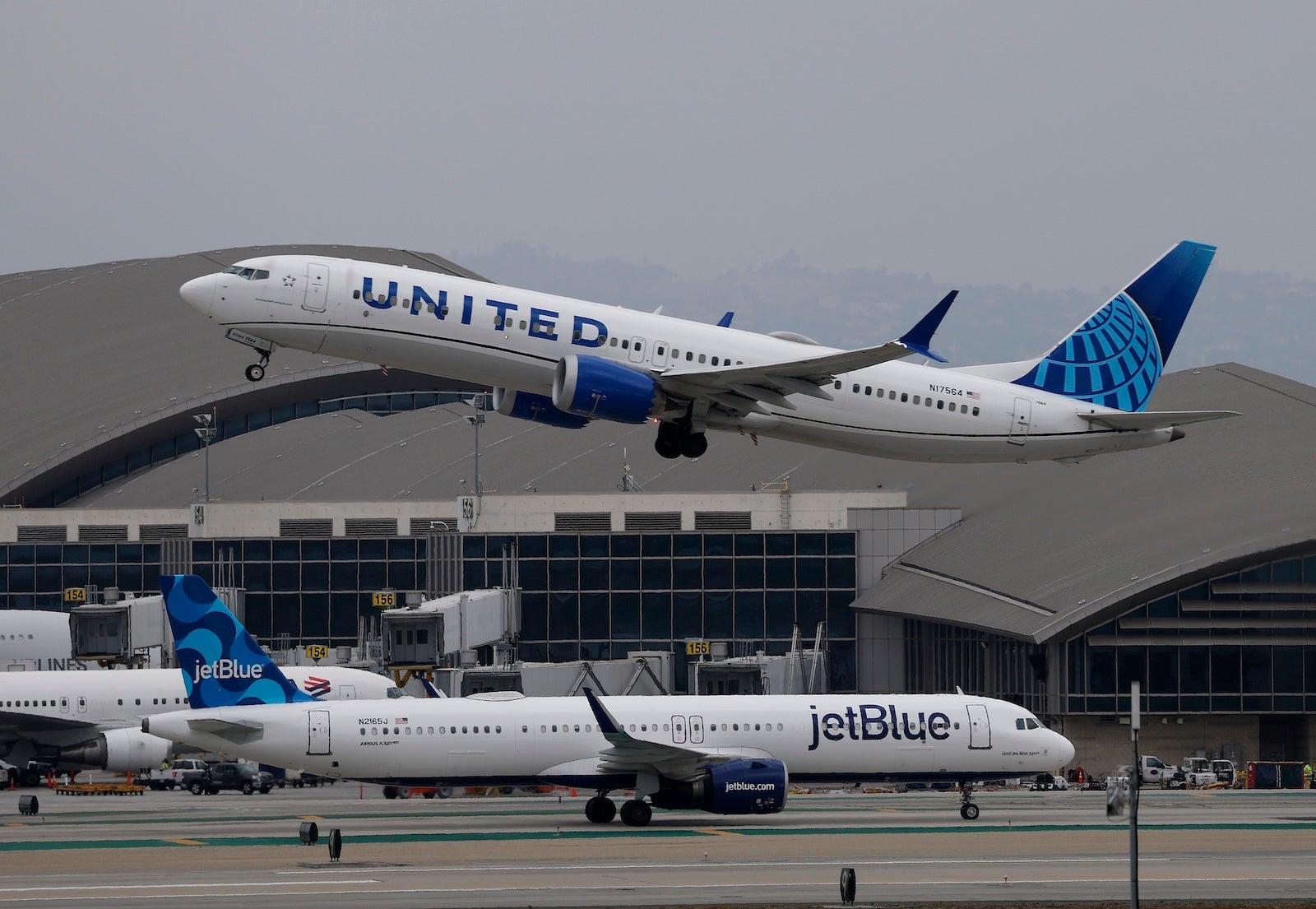
Earlier this week, experts warned airfare could increase in a matter of days amid a surge in global oil prices.
Now, it’s actually happening.
A growing number of airlines are adding fuel surcharges to tickets. Other carriers, facing the prospects of pricier jet fuel, are admitting to raising prices.
And new data released late this week showed fares rose sharply since last week, whether you’re booking a cross-country flight or planning to fly to Europe.
All told, it’s bad news for consumers hoping to book last-minute spring break trips, or lock in flights for the upcoming summer season.
Higher fares start to take hold
This run-up in fares is part of a chain reaction: the conflict in the Middle East and the subsequent disruption to the world’s most critical oil transport corridor that Iran has effectively shut down. The result: a spike in oil prices worldwide.

A week ago Friday, United Airlines CEO Scott Kirby acknowledged the higher flight prices would “likely start quick.”
And they have.
New report shows sharp price increases since last week
In a report released Thursday, Deutsche Bank’s airfare tracker for three-week-out bookings found ticket prices rose sharply from a week prior.
Transatlantic, transcontinental and Caribbean flights saw some of the biggest gains.
So did Spirit Airlines — though nearly every airline saw fares increase.
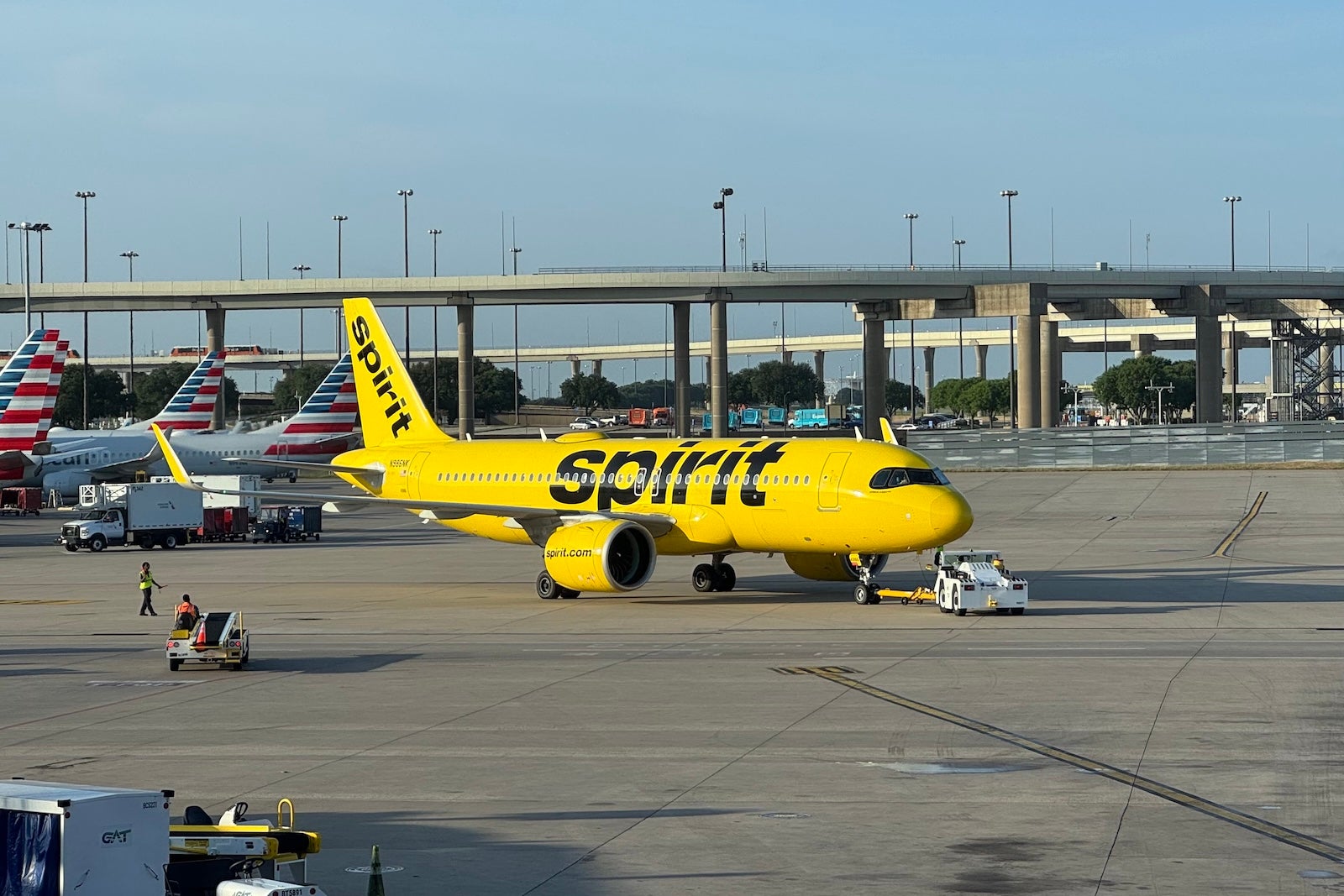
And the impact goes far beyond the U.S.
“We are already starting to see airlines around the world reduce their flying in response to higher fuel costs,” wrote Michael Linenberg, Deutsche Bank airline industry analyst.
International carriers hike fares
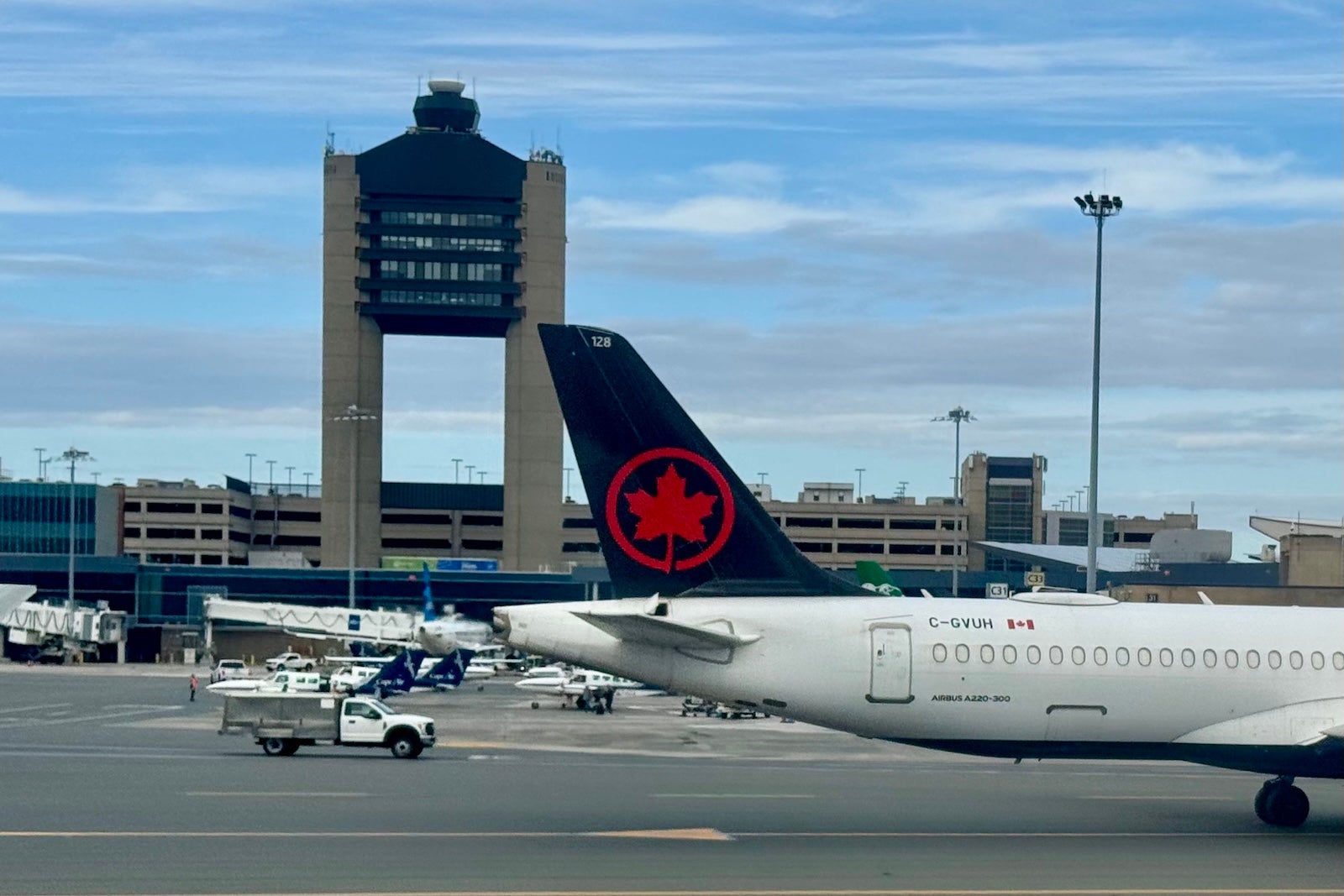
In a statement to TPG Thursday, Air Canada acknowledged its pricing “has been and continues to be adjusted” to reflect higher fuel costs.
Across the Atlantic, Air France-KLM (parent company for the French and Dutch flag carriers) said it was increasing its fuel surcharges from 30 euros, roundtrip — as announced earlier this month — to 50 euros (about $57 USD) effective this week.
Meanwhile, Air New Zealand executives told the country’s 1News network it planned to cut 1,100 flights in the coming weeks as a result.
The Auckland-based carrier shuttered about 4% of its planned flights on Friday, according to data from FlightAware.
What should consumers do?
TPG recommends travelers book summer fares as soon as possible, especially if they’re flying in June or July. We suggest locking in airfare you can change later on if prices eventually drop — or book with points.
Also, if you want to travel during the summer months, consider booking a trip for August, when travel demand — and fares — tend to be lower.
We’ve posted additional travel tips here for navigating the run-up in airfare.
A new hurdle for consumers
How high will oil prices — and airfare – go, and how long will it last? Both likely hinge on how long the upheaval in the Middle East lasts.
“There’s just not a lot of certainty about what’s going on,” Rob Handfield, a global supply chain expert at North Carolina State told me this week. “They don’t know how long this is going to last. It could go down in a week or it could go up even more
Airlines will surely be tested in seeing how much of the higher fuel costs they can ultimately pass onto customers; Linenberg, of Deutsche Bank, predicted the full-service airlines (like American, Delta and United) might have more luck baking higher costs into fares than budget carriers that rely on a more price-sensitive consumer base.
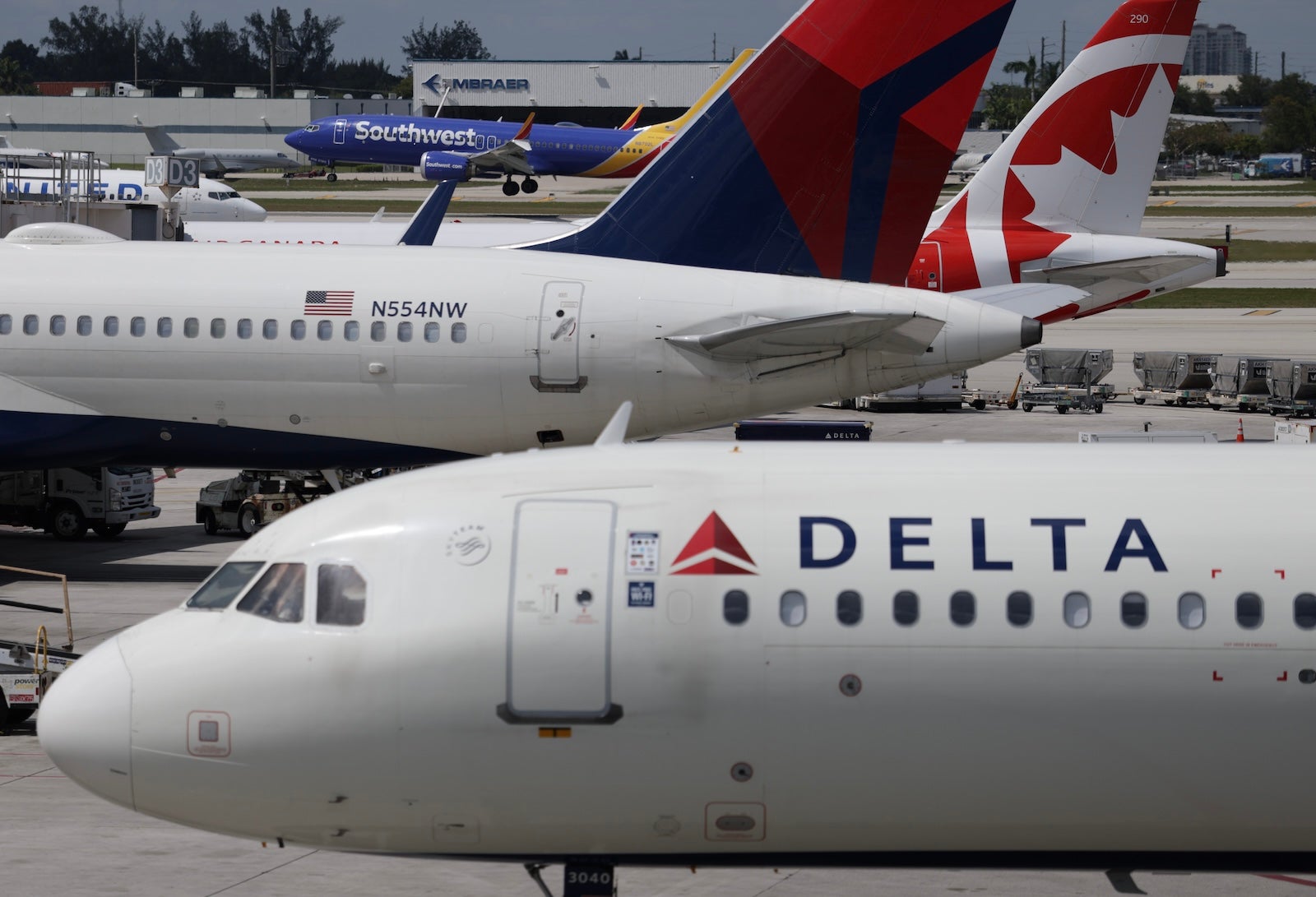
“The wildcard, in our view,” Linenberg wrote, “will be the shape of air travel demand over the next few months as the U.S. and global economies absorb significantly higher energy prices.”
Reality check
Preliminary March results from the University of Michigan’s survey of consumers showed sentiment dropped nearly 1.9% since February.
The reading on consumers’ economic outlook dropped over 4%. Final March results will be out in two weeks.
As for airports? Thursday was the busiest day for air travel in the U.S. since the final days of the New Year’s travel rush. And travelers faced another potential hurdle: long security lines as a partial government shutdown drags on.
Related reading:
- When is the best time to book flights for the cheapest airfare?
- The best airline credit cards
- What exactly are airline miles, anyway?
- 6 real-life strategies you can use when your flight is canceled or delayed
- Maximize your airfare: The best credit cards for booking flights
- The best credit cards to reach elite status
- What are points and miles worth? TPG’s monthly valuations
Editorial disclaimer: Opinions expressed here are the author’s alone, not those of any bank, credit card issuer, airline or hotel chain, and have not been reviewed, approved or otherwise endorsed by any of these entities.